The following contains spoilers for Seasons 1 and 2 of Alice in Borderland.Adaptations are really fun and interesting forms of storytelling, as they take a well-known tale and turn it into something completely new to tell a compelling story. Sometimes they’re modernized, other times they put the characters into a new setting with the same bones of the story and see what happens when the themes of the original tale are put into a different context. Fairytale retellings especially had a big moment of popularity a few years ago, and continue to be of interest to people now. There’s something fascinating about seeing a story that is so well-known, and that many people have been familiar with since they were children, translated into something totally fresh.
Alice in Borderlandis a recent example of this phenomenon, as it takes the story ofAlice in Wonderlandand transforms it intoan almost totally new storythat really stands on its own. Putting the characters and plot points ofAlice in Wonderlandinto this dystopian, modern setting makes it feel like a new story, while also being wholly familiar to those who love the originalAlice in Wonderlandstory. But how exactly doesAlice in Borderlandadapt Lewis Carroll’s original work, and which characters were transferred over from the page to the screen?
RELATED:Alice in Borderland: Who is Behind the Games?
What Is Alice In Borderland About?
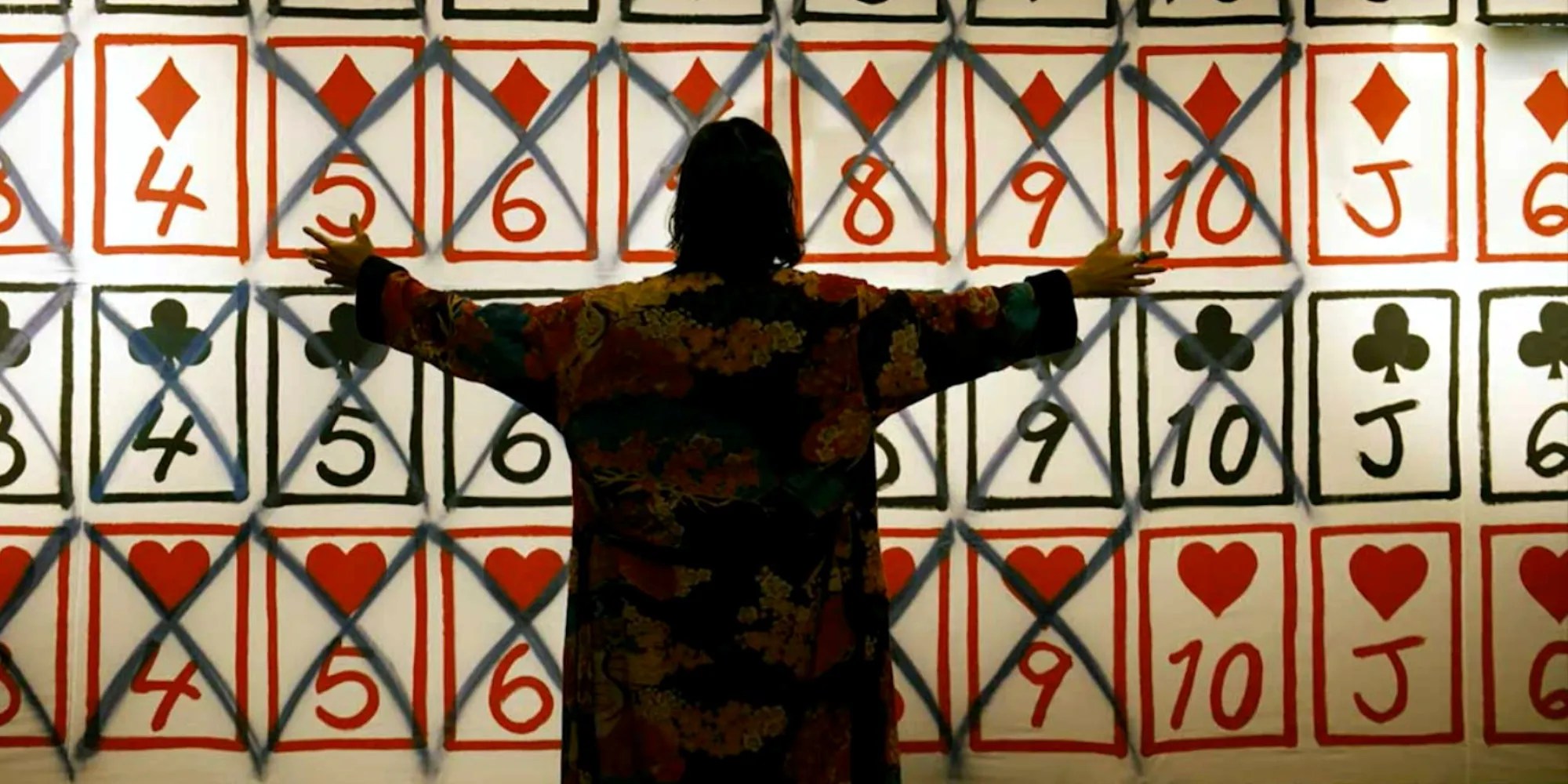
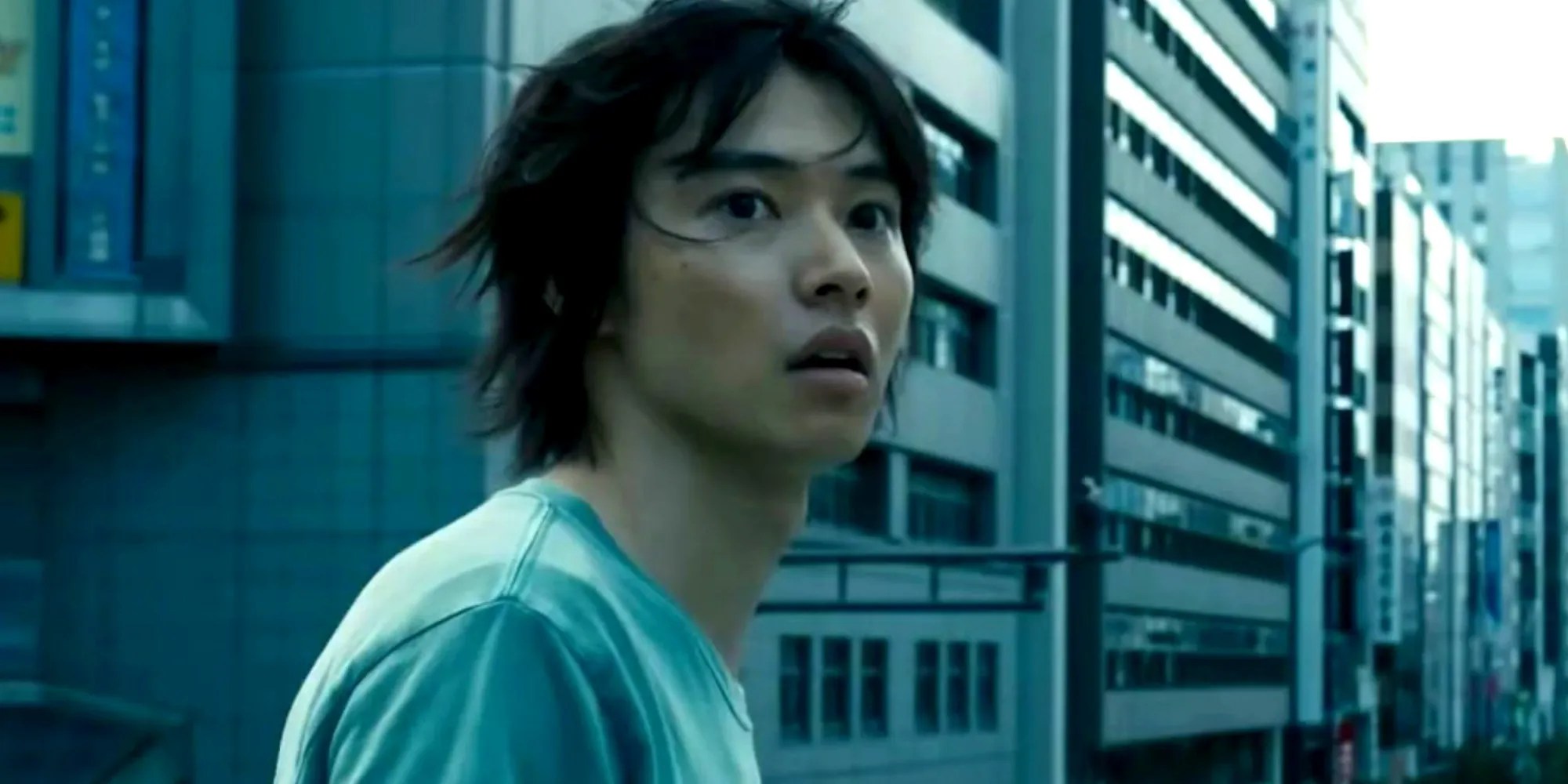
Alice in Borderland follows a young man named Arisu who, along with some of his friends and a large chunk of the population, winds up in an alternate version of Tokyo (aka Borderland). In this world, they must compete inviolent and deadly gamesto extend their “visa,” which is how long they have left to live. The games that they play vary in type and difficulty, which is indicated by what playing card (specifically what number and suit) are assigned to each of them. Arisu and the group of characters he meets along the way must fight for their continued survival, as well as try to solve the mystery of what this world is and how they all got there in the first place.
Which Alice In Wonderland Characters Are Referenced?
One of the many ways that this show (as well as the manga that it’s based on) adapts the story ofAlice in Wonderlandis by including a lot of the popular characters fromAlice in Wonderlandlore. The world ofAlice in Wonderlandhas such a colorful and strange batch of personalities, and this is definitely mirrored inAlice in Borderland. One of the most obvious is the main character Alice, who is Arisu inAlice in Borderland. The name “Arisu” is actually a Japanese pronunciation of Alice, and it’s one of the more obvious character transfers.Usagi is supposed to be an analogfor the White Rabbit, as “usagi” translates to “rabbit” in English, and Arisu often follows her in a similar way to how Alice pursues the White Rabbit in the original tale.
Some of the characters' origins are evident by their names - such as Hatter representing The Mad Hatter, or the Queen of Hearts representing the Red Queen (and her game including croquet is a reference to the queen’s penchant for croquet in the original story). The character of Chishiya references the Cheshire Cat, which makes sense with his personality -he’s mysterious and cunning, and it’s not quite clear where his loyalties lie at first. Kuina represents the Caterpillar, which is shown through the unlit cigarette she often keeps in her mouth (which is supposed to be like the Caterpillar’s famous hookah), as well as the fact that she goes through a metamorphosis, in the form of her transition. An is the white queen, as she’s often seen wearing white and is the voice of logic and reason within the group. The Last Boss is the Jabberwocky - the fearsome monster that must be defeated.

How Does Alice In Borderland Adapt The Plot of Alice In Wonderland?
Beyond just the basic premise of being transported to a new world where things are strange,Alice in Borderlandshares a lot of similarities to the plot points and themes that are present inAlice in Wonderland. For one thing, the main character’s journey in “Wonderland” (or in the case of Arisu, the Borderland) ends up being all in their head, rather than a physical place they’ve been transported to (unless the ending ofAlice in BorderlandSeason 2 wassupposed to be a misdirect). The empty building that Arisu and his friends enter acts as their rabbit hole, as it’s what leads them to Borderland. Playing cards also play a large role in the story, but rather than being soldiers for the Queen as they are inAlice in Wonderland, playing cards signify the difficulty of the games, and also become an object to acquire when those at the Beach believe that collecting all of them will set them free from Borderland.
Alice and Arisu are bored in their real lives and are both often criticized for having their heads in the clouds. Through their respective journeys, they learn about themselves and have more of a passion for life and adventuring when they return to their real lives.Time works differentlyin both Wonderland and Borderland. Though Alice and Arisu feel like they have been gone from their home worlds for a significant amount of time, it ends up only being a very short time in the real world. However, the significant difference is that Borderland is supposed to represent the line between life and death, whereas Wonderland is a dreamland made up while Alice is simply sleeping, not in a coma like Arisu was.