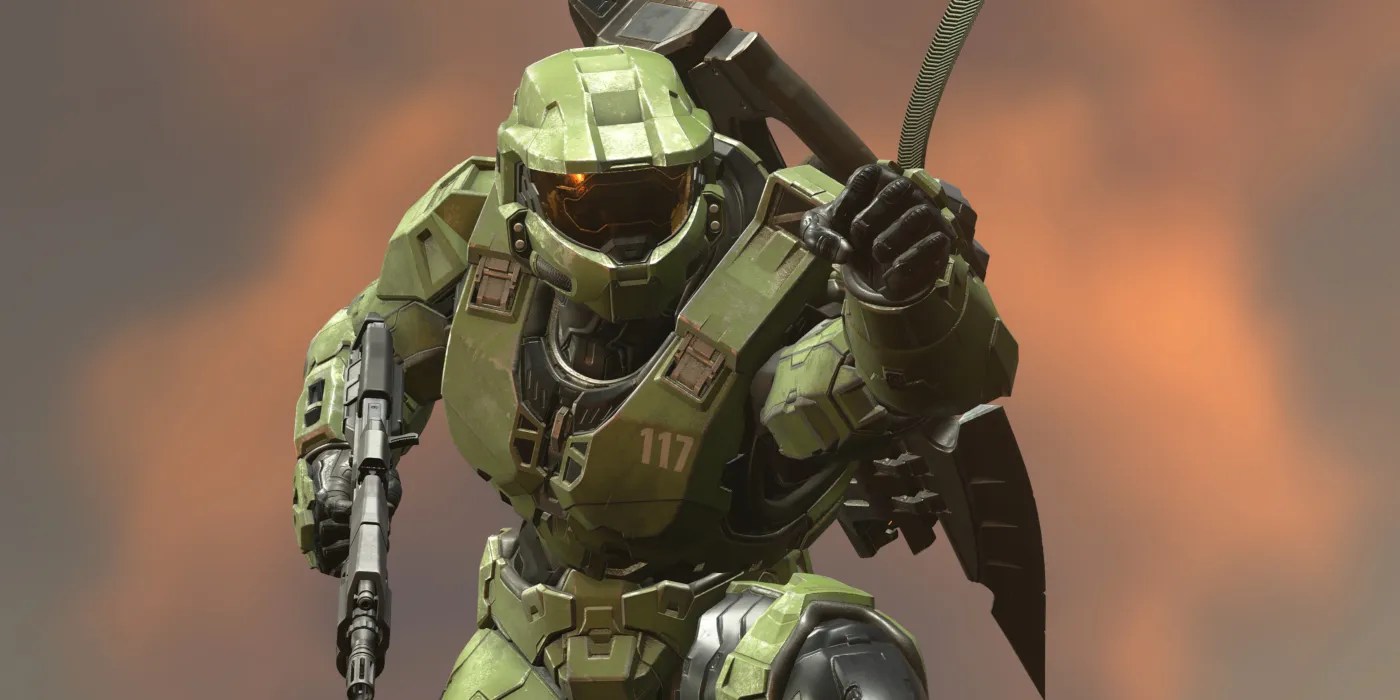
Microsoft’s gameplay reveal ofHalo Infinitehas been met with a mixed reaction from fans. On one hand, the game looks like a return to theHalogameplay that players know and love, while still respecting some of the changes that 343 Industries has made since taking it over. However,Halofans seem upset by the game’s graphics, which admittedly aren’t very impressive, but will be improved before launch.
However,343 Industries has no plans for aHalo Infinitesequel, with the game supposedly being built to last the next 10 years, similar to live service games likeDestiny 2.And while watching video games evolve is an interesting process, 10 years for any game is an ambitious move, but particularly for a launch game built for current and next-gen hardware. That’s not to say the game is doomed, but there will be some major hurdles to extend out its life that far.
RELATED:Halo Infinite Doesn’t Let Players Pet Any Animals
For context, it’s important to consider how few games have managed to stay relevant for 10 years. The list is minuscule, with most games fizzling out after a few years on the market at best. EvenHalo 5has fallen victim to that fate, boasting a relatively small player base now, just 5 years after launch.
Uncharted Territory
World of Warcraftis one of few games that have managed to remain in the conversation over the course of a decade, offering players regular expansions and an ever-evolving world. That lifespan has come with highs and lows, though, that’s something that all games inevitability battle with, and one of the challenges thatHalo Infinitewill have to face if it truly wants to last until 2030 is bringing the community back to life after a lull.
ForHalo Infinite,there aren’t many examples of success for the game to draw from, at least not yet. Live service games are still relatively new to the games industry, withtheDestinyfranchisebeing the best example of what it takes for a sci-fi shooter to endure for a number of years. But evenDestinyis an imprecise comparison, as its lifespan has been split over two separate games.

Plus,Destiny 2features a much broader spectrum of content than whatHalo Infinitewill likely include.Destinyfeatures raids, dungeons, and a more, whereHalo Infinitewill presumably only feature standard multiplayer and campaign modes, though 343 Industries hasn’t shared its multiplayer plans just yet. The two games will likely face similar growing pains for the next few years, the difference being that Bungie has a well of experience to draw from.
IfHalo Infiniteis looking for a success story, it should turn toRainbow Six Siegefor inspiration. Ubisoft has managed to support its competitive shooter for about 5 years now, and in that time has cultivated dedicated casual and esports communities. Esports will be a major factor inHalo Infinite’ssuccess, keeping the game in the conversation for as long as the community is supported. AnOperator system likeSiege’scould keep things fresh, as there’s a ton of Spartans in theHalolore with unique personalities that could give multiplayer matches some extra spice.

One of the main issues with gauging whether or notHalo Infinitewill last for an entire decade stems from how little is known about it. It isn’t entirely clear if 343 plans to introduce major story arcs over the course of its lifespan, or if the campaign will be presented as is with the occasional update or new mission. However,Halo Infinite’scampaign will be as long asHalo 4and5combined, so it should be fairly meaty at launch.
With no numbered sequels planned for the next decade, story updates do seem like a major possibility and even the best way to go.Halo Infinitecould easily become a sort of dietDestiny,offering casual fans a simple structure for completing missions and unlocking new rewards, while maintaining a steady churn of story content through DLC.
While introducing elements likeDestiny’sgear structuremay be too dramatic of an overhaul,Halo 5’sREQ system could be expanded on. Fundamentally, it was a good way to add new loot to the pool of what was available inHalo 5,and while selling them as a microtransaction was an unpopular move — rightfully so — using the system to distribute meaningful rewards could be a good way to operate, assuming that 343 implemented ways to earn specific loot too, like armor customization pieces and weapon skins.
Regardless of what 343 decides to do to introduce new content, the frequency of updates will be of greater importance this time around, ifHalo Infinitewants to keep feeling fresh for a decade. There will need to be much greater transparency to keep players engaged for that long, though if theMaster Chief Collectionis any indicator, that’s becoming less of an issue for the team.
What This Means for Xbox Series X
Halo Infinite’s10-year aspirations are a pretty big indicator of what Microsoft is planning for the Xbox Series X.Game Passis an increasingly huge deal to the Xbox ecosystem, and some will likely continue paying for it rather than shell out $60 at once for their own copy ofHalo Infinite.Microsoft is steadily building Xbox into a platform rather than traditional consoles, and it seems likely that consistently updated, long life-span exclusives could become the norm for Xbox fans if theHalo Infiniteexperiment is a success.
That largely depends, though. After all, 10 years is a long time, especially for the games industry. Looking back to what video games were like in 2010 versus what they’ve become in 2020 is a drastic difference, both tonally and from a technological standpoint. That’s a big part of why so few games have lasted an entire 10 years, and whyHalo Infinitestaying significant until 2030 feels like such a stretch.
However, Microsoft does seem determined to get the next console generation right, and that starts withHalo Infinite.The game lasting an entire 10 years seems like an against-all-odds ordeal, but it may work out.
Halo Infiniteis currently in development for PC, Xbox One, and Xbox Series X.
